




What Is Commercial Architecture and Why Does It Matter for Developers
Most commercial buildings are designed by architects. The best ones are designed by architects who understand what the building needs to communicate, not just what it needs to contain.
This distinction is not aesthetic. It is commercial. A building communicates before anyone enters it. The proportions of the facade, the quality of the entrance, the relationship between the structure and its street, all of these send a signal to the people who matter most to your project: buyers, tenants, guests, investors. When those signals are designed deliberately, they add value. When they are left to chance, they cost it.
What commercial architecture actually is
Commercial architecture covers a wide range of building types: office buildings, mixed-use developments, retail destinations, hospitality properties, research facilities, cultural institutions. What they share is a common pressure: the space must perform. Not just structurally, not just functionally, but commercially. It must attract the right occupants, justify its position in the market, and hold its value over time.
This performance dimension is what separates a commercial architect from a general practitioner. A commercial architect thinks about the brief in terms of market outcomes, not just spatial outcomes. The floor plate is optimised for leasable efficiency. The lobby is designed to create a specific impression on a specific kind of visitor. The facade is calibrated to its neighbourhood, its competitive set, and its target audience, simultaneously.
The integration problem most developers face
The conventional approach to commercial development separates architecture from brand identity. The architect designs the building. A branding agency is brought in later to name the project, create the marketing materials, and build the sales environment. The two processes run in sequence, not in parallel.
The problem with this sequence is that the most important brand decisions are architectural ones. The quality of the threshold experience. The materiality of the lobby. The relationship between the building and its public realm. These decisions are made at the design stage. A branding agency brought in after construction cannot change them. It can only work around them.
At Deuxign, our commercial architecture practice is developed alongside our brand identity practice from the first brief. The building and the brand are designed by the same team, from the same strategic starting point. The result is a development where every decision, from the massing to the marketing collateral, serves the same idea.
What this produces in practice
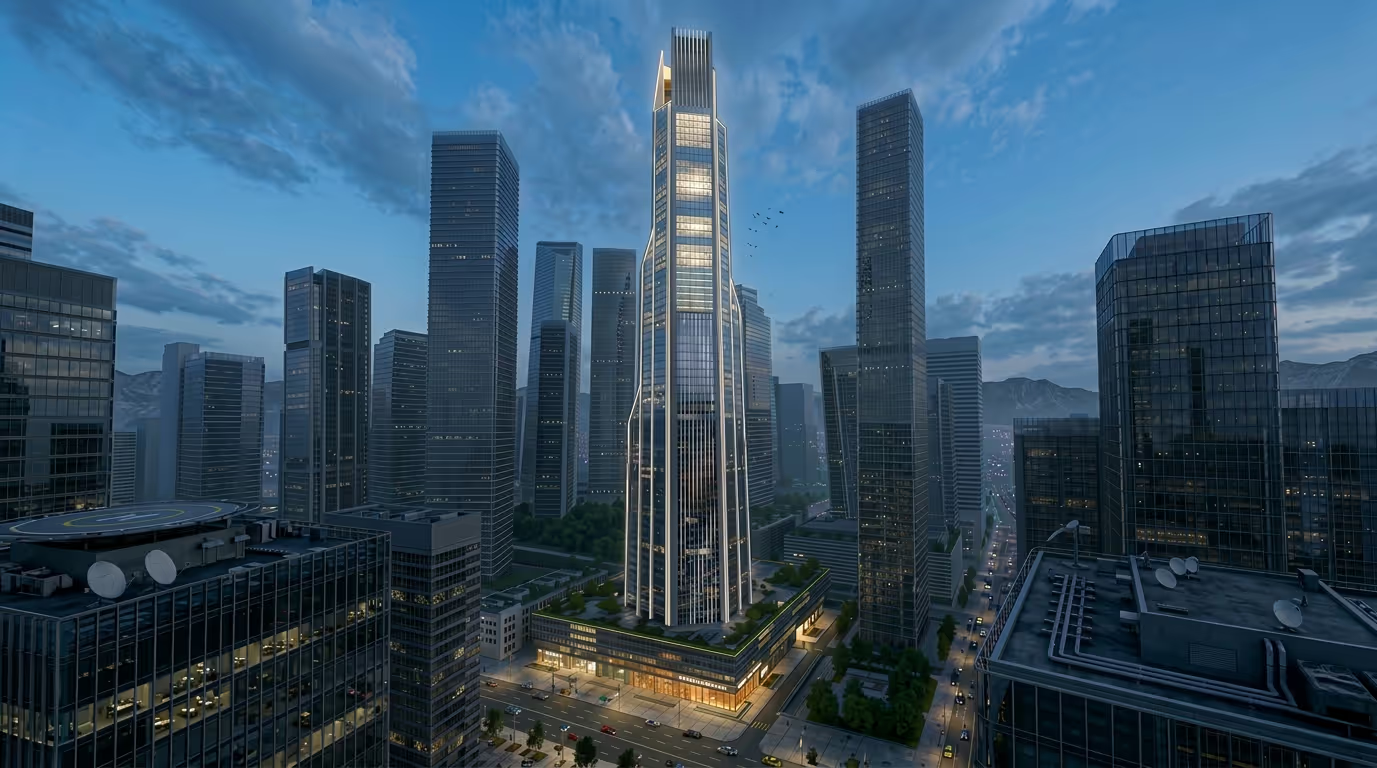
The Moscow City Tower demonstrates this at scale. A 370-metre mixed-use landmark designed on a Herzog and de Meuron master plan, where premium residential floors rise above a commercial podium conceived as a destination in its own right. The architecture and the identity of the project were not designed separately. They were developed as a single argument about what a landmark at this scale should be.
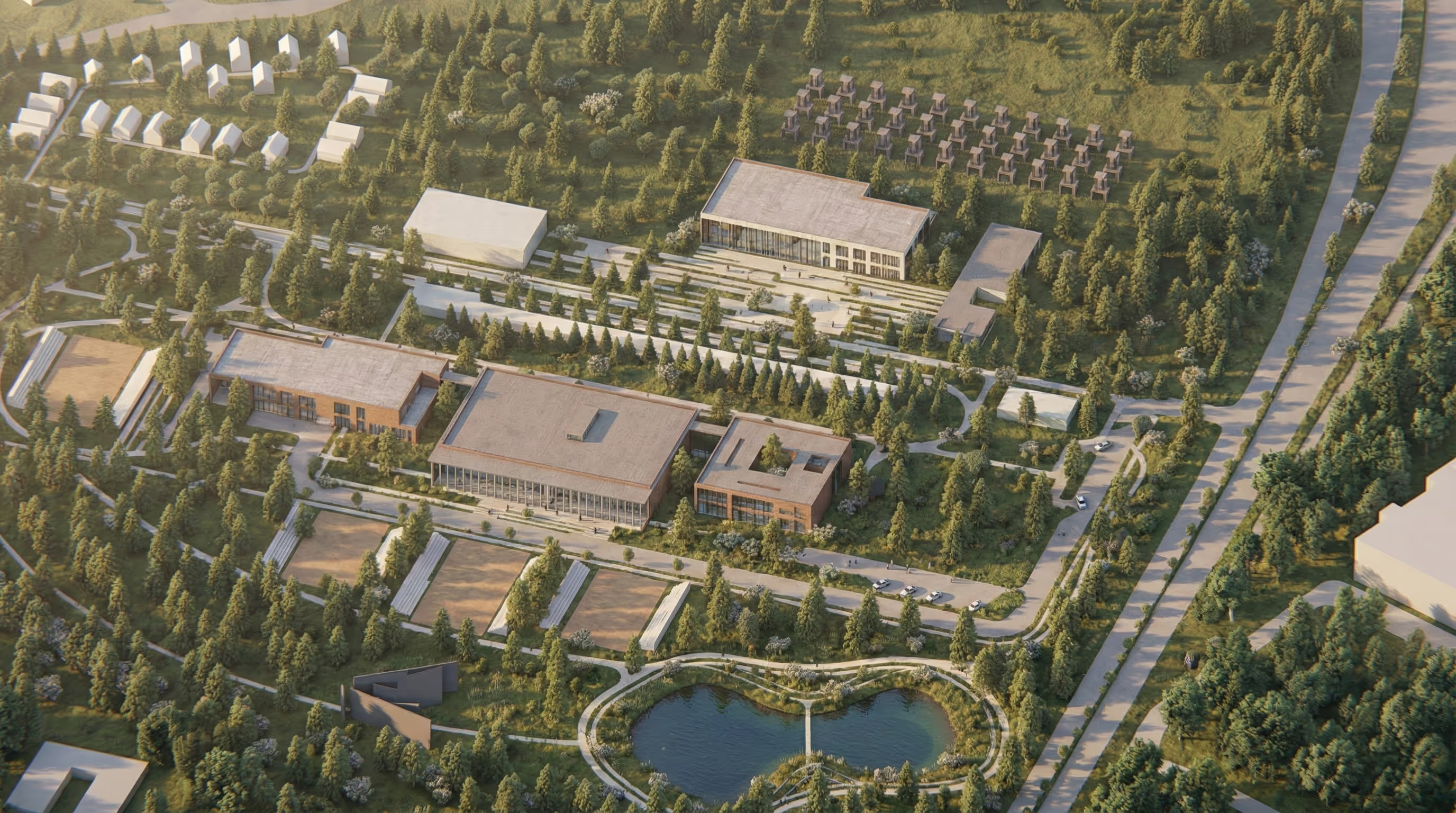
The ITU Sustainability R&D Center in Istanbul takes a different approach to the same principle. A research hub where architecture, landscape, and institutional identity are woven together along the Patch Corridor Matrix theory, creating an environment that communicates its purpose at every scale from the master plan to the interior.
Choosing a commercial architect
When evaluating commercial architects for a project, the questions that matter most are not about portfolio aesthetics. They are about how the firm thinks about performance. Does the architect understand your market? Can they demonstrate projects where the architecture contributed measurably to commercial outcomes? Do they work across disciplines, or will you need to coordinate separate firms for architecture, interiors, and identity?
A firm that can answer all three is rare. If you are assessing whether Deuxign is the right fit for your project, we would welcome a conversation.
More insights